
Sleep Apnea in Women: Why It’s Different and Often Missed
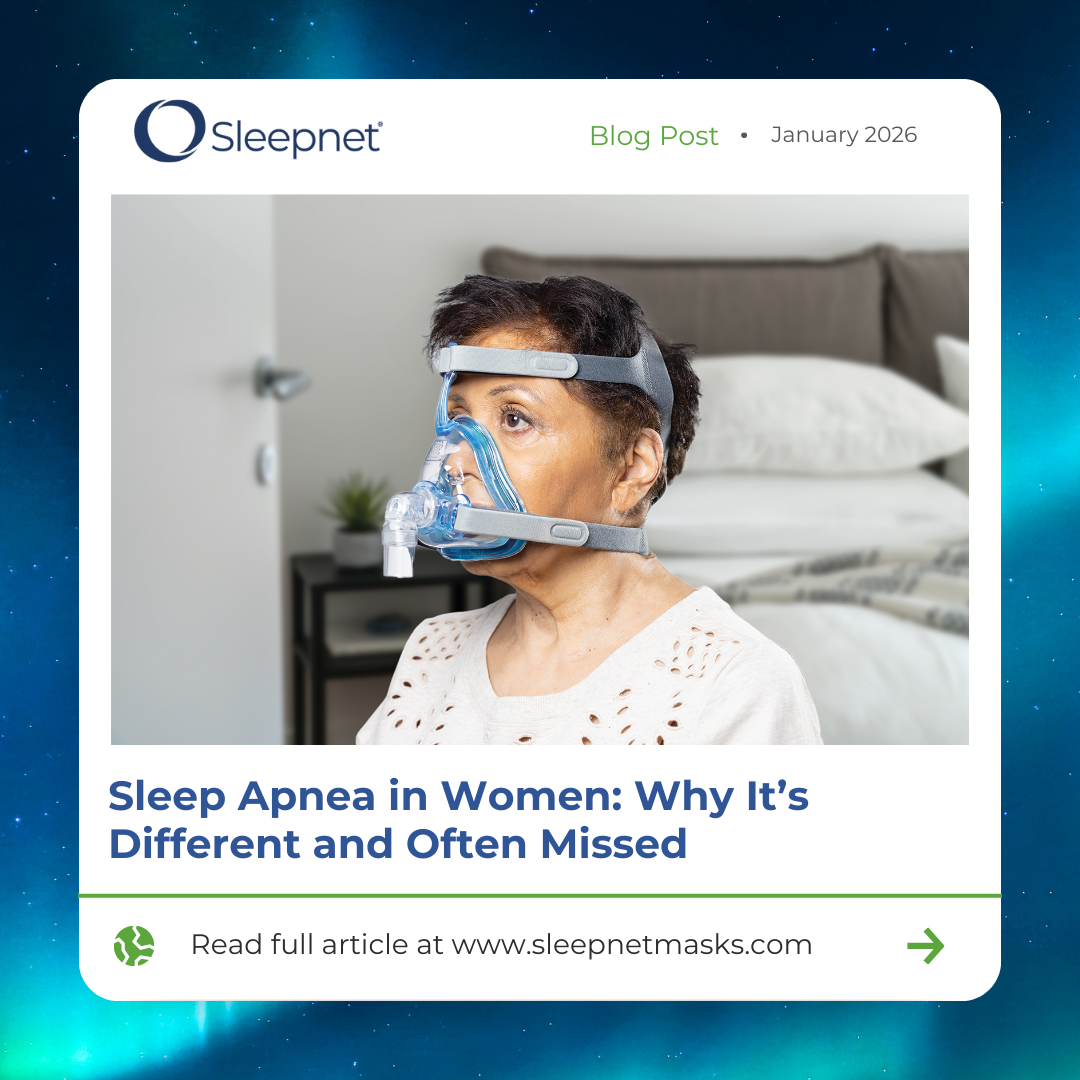
Obstructive Sleep Apnea (OSA) is frequently thought of as a “men’s health issue,” but millions of women live with OSA — often undiagnosed or misdiagnosed for years. Research shows that women experience OSA differently than men, both in how symptoms present and how they’re recognized by healthcare providers. Studies suggest that sleep disorders in women are frequently overlooked and dismissed as cardiovascular and metabolic disorders. These differences have contributed to gaps in diagnosis, treatment, and research.
Nearly 1 in 5 women have sleep apnea, but 9 in 10 women do not know they have it (Society for Women’s Health Research, “Women & Sleep Apnea”).
Understanding how OSA manifests in women is a critical step toward improving outcomes and ensuring women receive the care they need.
How OSA Presents Differently in Women
Traditional descriptions of OSA often focus on symptoms more commonly seen in men, such as loud snoring and witnessed apneas. While women can experience these symptoms, many present with signs that are subtler or less obvious.
Women with OSA are more likely to report:
- Chronic fatigue or exhaustion
- Insomnia or difficulty staying asleep
- Morning headaches
- Anxiety or depression
- Difficulty concentrating or memory issues
- Mood changes or irritability
Because these symptoms overlap with conditions like stress, anxiety, depression, or hormonal changes, OSA in women is frequently overlooked or attributed to other causes.
The Role of Hormones and Life Stages
Hormonal fluctuations play a significant role in how OSA develops and progresses in women.
- Premenopausal women often have some protective effects from estrogen and progesterone, which help maintain airway stability.
- Pregnancy can increase OSA risk due to weight changes, nasal congestion, and airway swelling (PubMed Central 2024, “OSA in Pregnancy: A Comprehensive Review of Maternal and Fetal Implications).
- Menopause is a major turning point — declining hormone levels are associated with increased airway collapsibility and higher OSA prevalence.
(PubMed Central 2016, “OSA: Women’s Perspective”).
After menopause, women’s risk for OSA begins to approach that of men, yet diagnosis rates often lag behind.
Why OSA in Women Is Underdiagnosed and Under Researched
There are several reasons why OSA has historically been underrecognized in women:
- Research bias
Much of the early research on sleep apnea focused on male participants, shaping diagnostic criteria around male symptom profiles. This has left female-specific symptoms underrepresented in clinical guidelines (PubMed Central 2016, “OSA in Women: Specific Issues and Interventions”).
- Diagnostic assumptions
Snoring has long been treated as a primary red flag for OSA. Since women may snore less loudly or less consistently, they are often screened later — if at all (PubMed Central 2021, “Evaluation of OSA in Female Patients in Primary Care: Time for Improvement?”).
- Symptomoverlapwith other conditions
Fatigue, mood changes, and sleep disturbances are frequently attributed to mental health concerns, caregiving stress, or hormonal shifts rather than sleep-disordered breathing (Sleepapnea.org, 2025, “Sleep Apnea Symptoms in Women”).
- Delayed help-seeking
Women are more likely to normalize poor sleep, especially when balancing work, family, and caregiving responsibilities, delaying conversations with healthcare providers (Sleep Review 2025, “Why Sleep Apnea Goes Undetected in Women”).
The Impact of Missed or Delayed Diagnosis
Untreated OSA can have serious consequences for women, including:
- Increased risk of cardiovascular disease
- Higher rates of hypertension
- Worsening anxiety and depression
- Reduced quality of life
- Impaired daytime functioning
(Johns Hopkins Medicine, “The Dangers of Uncontrolled Sleep Apnea”).
Because symptoms may be dismissed or misunderstood, women often live with OSA for longer periods before receiving effective treatment.
Improving Awareness and Care for Women with OSA
Closing the gap in OSA care requires increased awareness — among both patients and providers.
Key steps forward include:
- Recognizing that OSA symptoms can look different in women
- Encouraging women to advocate for sleep evaluations when symptoms persist
- Expanding research focused specifically on female populations
- Designing treatment solutions that prioritize comfort, fit, and long-term adherence
As understanding grows, so does the opportunity to provide women with earlier diagnosis, better treatment experiences, and improved outcomes.
Moving Toward More Inclusive Sleep Health
Sleep health is not one-size-fits-all. By acknowledging the unique ways OSA affects women, the healthcare community can take meaningful steps toward more equitable diagnosis and treatment.
When women’s symptoms are recognized, researched, and addressed, better sleep — and better health — becomes possible.