What Is an NIV Mask? Vented vs. Non-Vented Explained
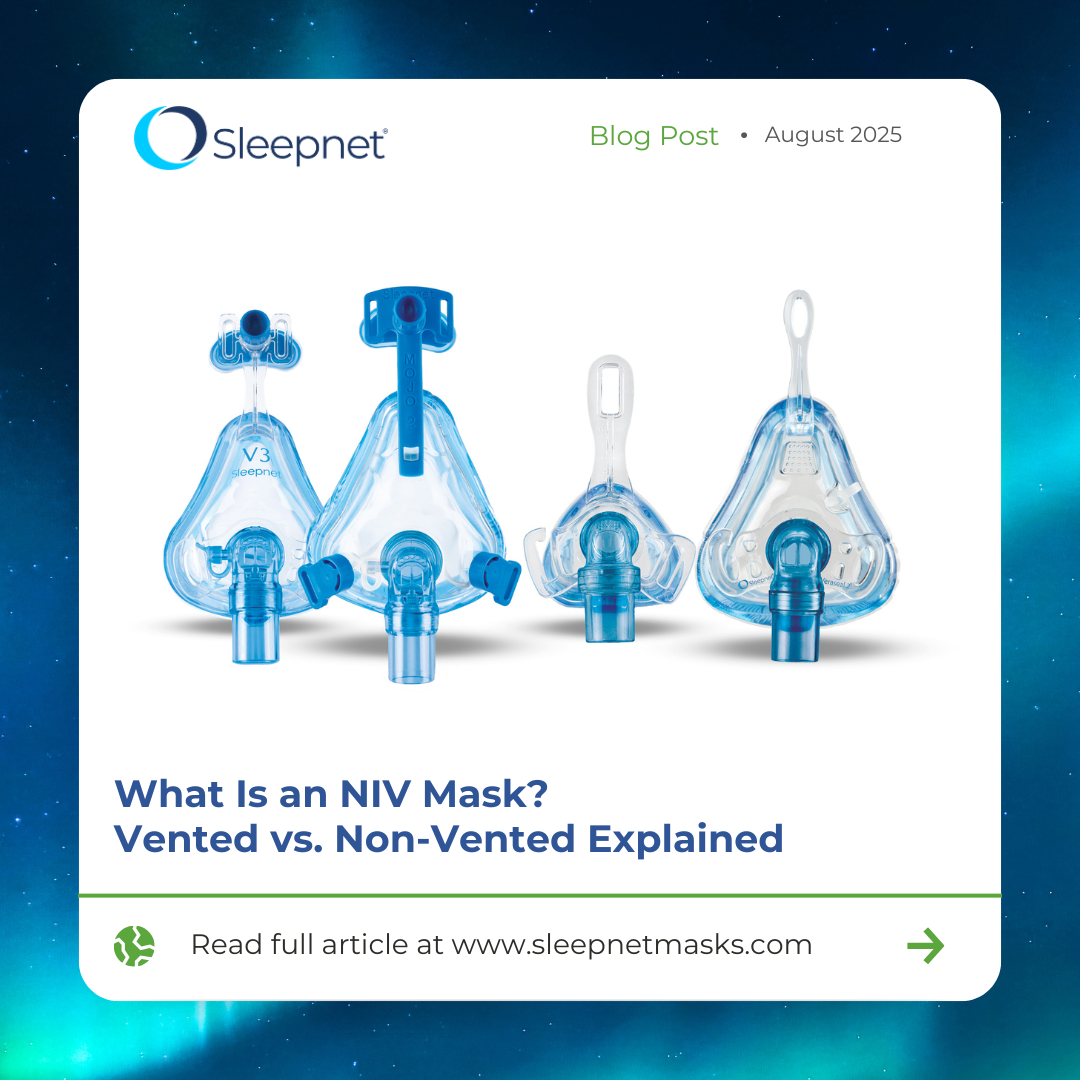
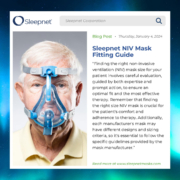
NIV stands for Non-Invasive Ventilation — a way to help you breathe using a mask that covers your nose, mouth, or both, without surgery or intubation. These masks connect to a machine that delivers a gentle flow of pressurized air to keep your airways open and support your breathing.
Why NIV Masks Are Used
NIV masks are often part of treatment for conditions like:
- Sleep apnea
- COPD (Chronic Obstructive Pulmonary Disease)
- Asthma flare-ups
- Respiratory infections or illnesses that make breathing harder
The goal is to make breathing easier, improve oxygen levels, and give your lungs a rest.
The Difference Between Vented and Non-Vented Masks
When you start looking at NIV masks, you’ll notice two main types: vented and non-vented. While they look similar, the difference comes down to how exhaled air leaves the mask — and which equipment they’re designed to work with.
Vented NIV Masks
- Have built-in exhalation ports (tiny holes or valves) that let your breath escape.
- Commonly used with devices like CPAP or BiPAP machines for home use.
- Because the vent is part of the mask, you don’t need extra parts to release carbon dioxide.
Non-Vented NIV Masks
- Do not have built-in exhalation ports — your machine or circuit handles that instead.
- Often used in hospitals, clinics, or other acute care settings.
- The mask works with specialized machines that have their own exhalation system.
Why the Difference Matters
Using the wrong type of mask for your machine can make your therapy unsafe. For example:
- A vented mask on a system that already has an exhalation valve could leak too much air.
- A non-vented mask on a system without its own vent could cause dangerous CO₂ buildup.
Choosing the Right NIV Mask
Your healthcare provider will select the correct type for your machine and your needs. While you may not choose between vented and non-vented yourself, understanding the terms helps you follow your care plan and ask informed questions.