Your Guide to Sleep Apnea Treatments: CPAP, Surgery, and More
Sleep apnea is a common yet serious condition where breathing repeatedly stops and starts during sleep. It affects an estimated 30 million adults in the United States, but only about 6 million are diagnosed (American Medical Association 2022, “What Doctors Wish Patients Knew About Sleep Apnea”). Left untreated, it can lead to fatigue, poor concentration, high blood pressure, heart disease, and even stroke. The good news? There are several effective solutions available, and treatment can dramatically improve both sleep quality and overall health.
Below, we’ll explore the most common approaches to managing sleep apnea:
- Lifestyle Changes
For individuals with mild sleep apnea, lifestyle adjustments are often the first line of defense. Research shows that losing just 10% of body weight can reduce apnea symptoms by up to 30% (Healthline 2024, “How Much Does Weight Loss Help with Sleep Apnea”). Small changes can make a meaningful difference:
- Weight management: Reduces pressure on the airway and helps improve breathing.
- Sleep position: Sleeping on your side instead of your back can decrease apnea events.
- Avoiding alcohol and sedatives: These substances relax throat muscles and worsen obstruction.
- Regular exercise: Improves lung function, circulation, and overall cardiovascular health.
Even if these changes don’t fully eliminate sleep apnea, they can reduce severity and support other treatment methods.
- Positive Airway Pressure (PAP) Therapy
PAP therapy is considered the gold standard for moderate to severe sleep apnea. According to Cleveland Clinic, “Research shows that CPAP machines are incredibly effective in treating sleep apnea when you use them consistently,” (Cleveland Clinic 2024, “CPAP Machine”).
- CPAP (Continuous Positive Airway Pressure): Delivers constant air pressure to keep the airway open.
- BiPAP (Bi-level Positive Airway Pressure): Provides two pressure levels (inhale and exhale) for patients who find CPAP uncomfortable.
- AutoPAP (Automatic Positive Airway Pressure): Adjusts air pressure automatically based on breathing patterns.
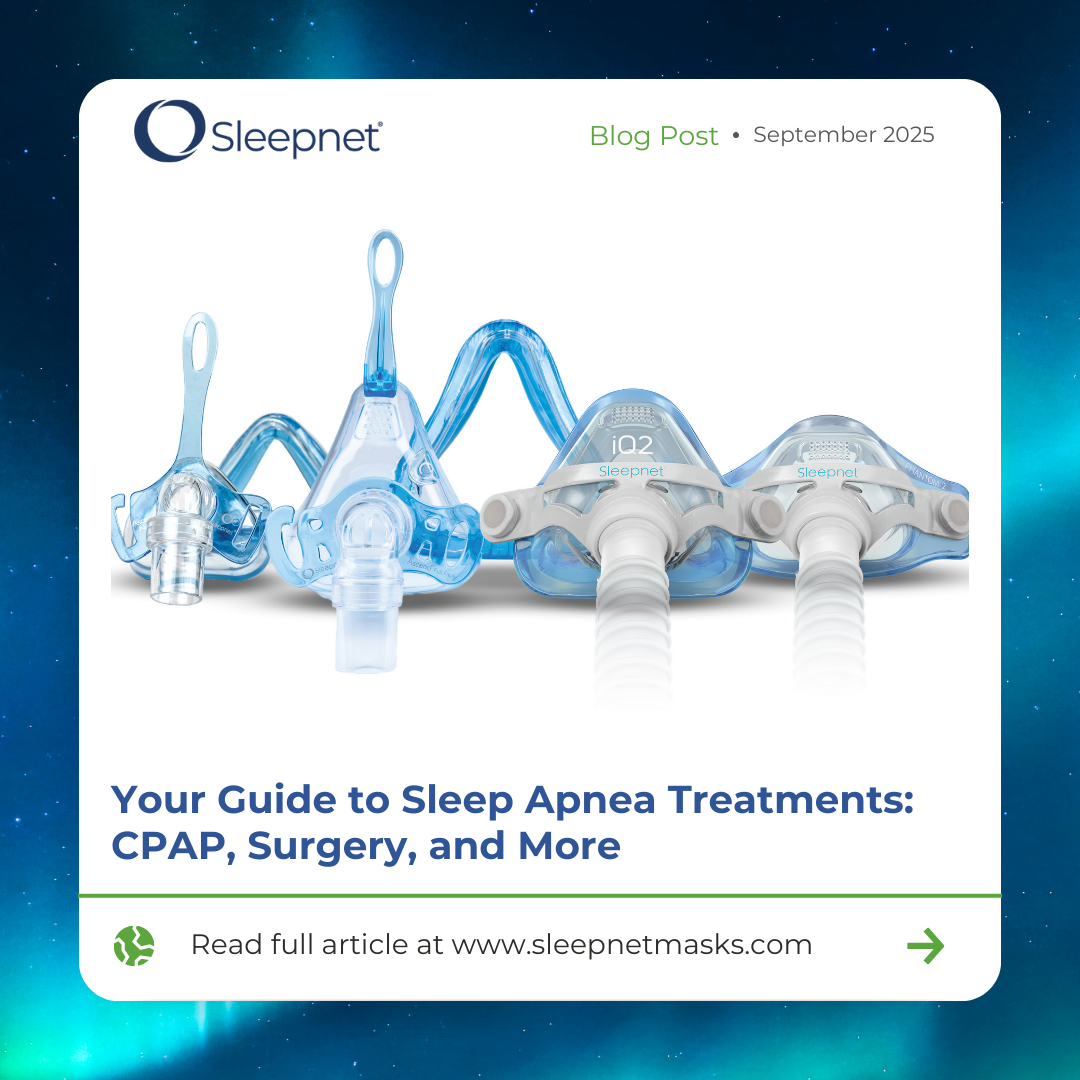
The key to PAP therapy success is mask comfort and fit. Unfortunately, studies show that only about 50% of patients remain compliant long-term, often due to mask discomfort—highlighting why choosing the right mask is so important (PubMed 2023, “Adherence to CPAP Treatment: Can Mindfulness Play a Role?”).
- Oral Appliances
For patients with mild to moderate sleep apnea, oral appliances provide an effective and more convenient alternative to CPAP. They are worn like a mouthguard and reposition the jaw or tongue to keep the airway open (Cleveland Clinic 2024, “Oral Appliances for Sleep Apnea”).
- Custom-fitted by a dentist or sleep specialist for maximum comfort and effectiveness.
- Portable and discreet, making them easier to travel with than CPAP machines.
- Reduces snoring and mild apnea symptoms in many patients.
While not a replacement for CPAP in severe cases, they can significantly improve symptoms and quality of life.
- Surgical Options
When other treatments don’t work, surgical intervention may be considered. Surgery isn’t the first step, but it can provide lasting results for the right patients.
- UPPP (Uvulopalatopharyngoplasty): Removes tissue from the throat to widen the airway.
- Jaw surgery (Maxillomandibular advancement): Repositions the jaw to correct structural issues.
- Tongue surgery (e.g., Midline glossectomy, genioglossus advancement): Reduces or repositions tissue at the base of the tongue to prevent it from blocking the airway.
- Palate surgery: Involves stiffening or removing portions of the soft palate to reduce collapse and vibration that contribute to apnea and snoring.
Tongue and palate surgeries are often combined with other procedures to maximize results and reduce apnea severity (WebMD 2025, What are the Surgery Options for Sleep Apnea?)
Taking the Next Step
If you suspect you have sleep apnea, the first step is a sleep study to confirm the diagnosis and determine severity. From there, your healthcare provider can recommend the best solution for your lifestyle and medical needs.
The bottom line: sleep apnea has many solutions. With the right treatment—whether it’s lifestyle changes, CPAP, oral devices, or even advanced therapies—patients can reclaim restful nights and healthier days.